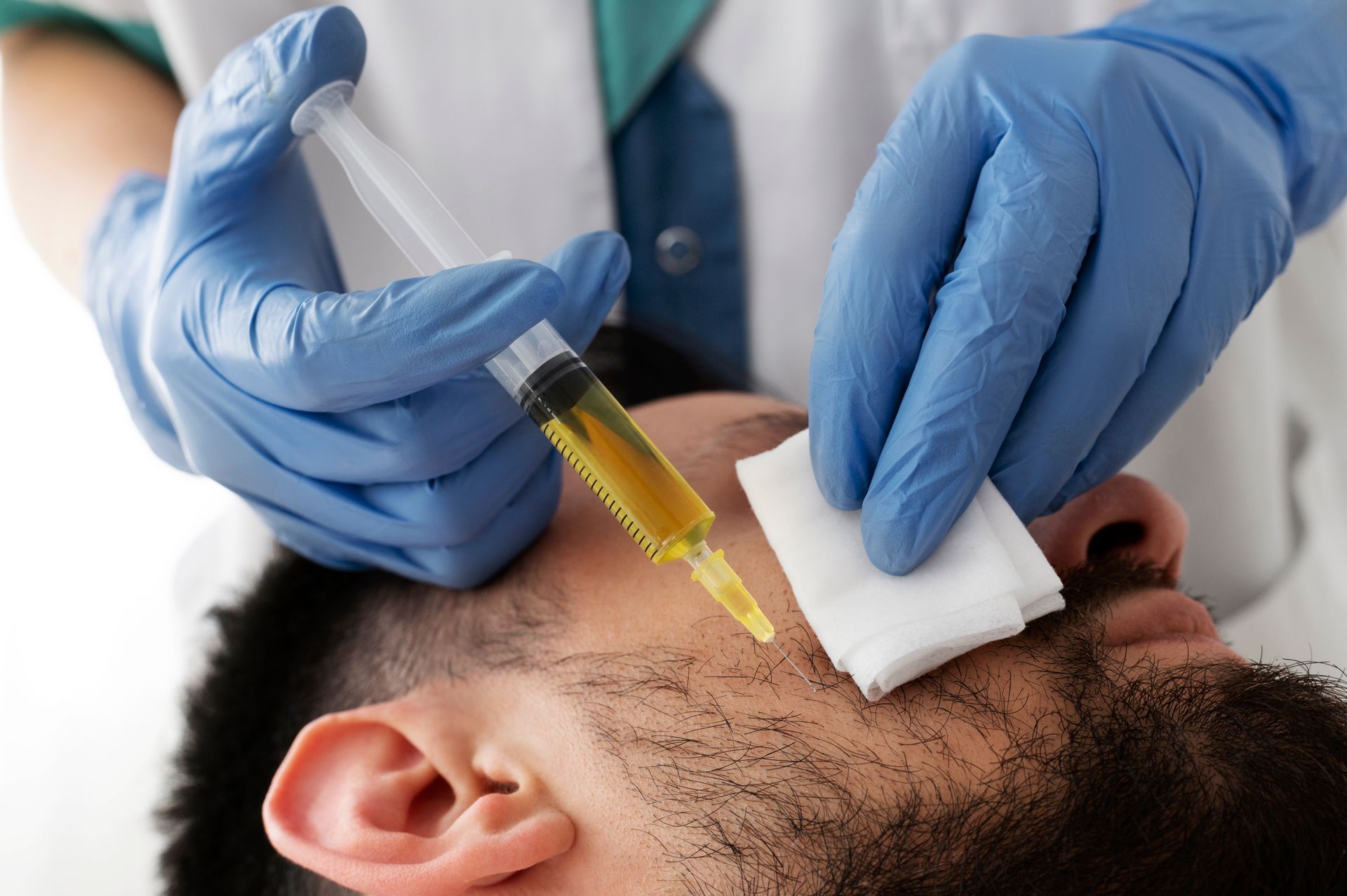
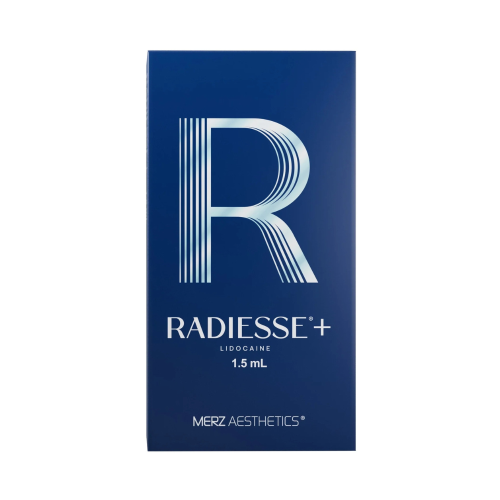
Radiesse with Hyaluronic Acid
In aesthetic medicine, techniques are always evolving, but the most reliable treatments are those backed by scientific evidence. One such advanced treatment is the use of hyperdiluted calcium hydroxylapatite (CaHA)—commonly known by the brand name Radiesse for skin rejuvenation beyond traditional volumizing roles. Applied in a “hyperdilute” form (i.e., diluted more than typical filler use), it is increasingly used by aesthetic specialists to address skin laxity, thinning skin, and texture issues.
Hyperdilute Radiesse represents a powerful tool in aesthetic treatments, offering skin-tightening and rejuvenating effects without significant volume addition. Radiesse hyperdiluted with Hyaluronic acid delivers exceptional results that meet patient expectations. With its ability to improve the quality of the skin across multiple body areas, Radiesse continues to redefine the standards of non-invasive rejuvenation. Whether for the temples, above the brow, cheeks, lower face, neck, arms, or beyond, this innovative approach ensures a natural, youthful glow that patients can enjoy for months to come.
Mechanisms of Action: What Research Shows
Understanding how hyperdilute CaHA works helps explain why it’s increasingly used to improve skin quality. Several key mechanisms have been documented:
Studies show fibroblast activation, increased collagen (types I and III) and elastin fiber production after CaHA injection.
Some studies report increased vascular density in treated areas, contributing to skin vitality.
Ultrasonographic and imaging data show increased dermal thickness and improved skin elasticity after hyperdilute CaHA treatment.
The microspheres act as a scaffold, prompting remodeling of surrounding tissue rather than simply occupying space, as traditional fillers do.

Result Timeline & Longevity
- Collagen stimulation takes time: visible improvements may appear at 4–6 weeks and continue up to 3‐6 months
- Longevity for skin-quality improvement: Up to 12–18 months or more in appropriate candidates, though individual results vary.
- Because the mechanism is tissue remodeling—not simply filling—the result looks natural and evolves over time.