
Promotion of Hair Follicle Growth
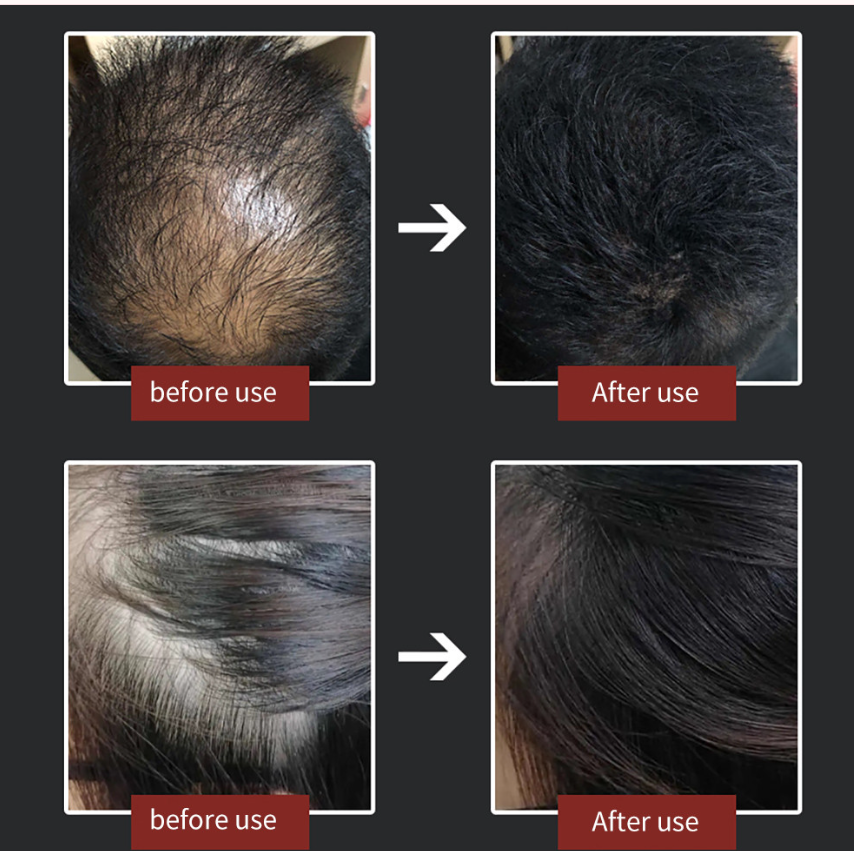
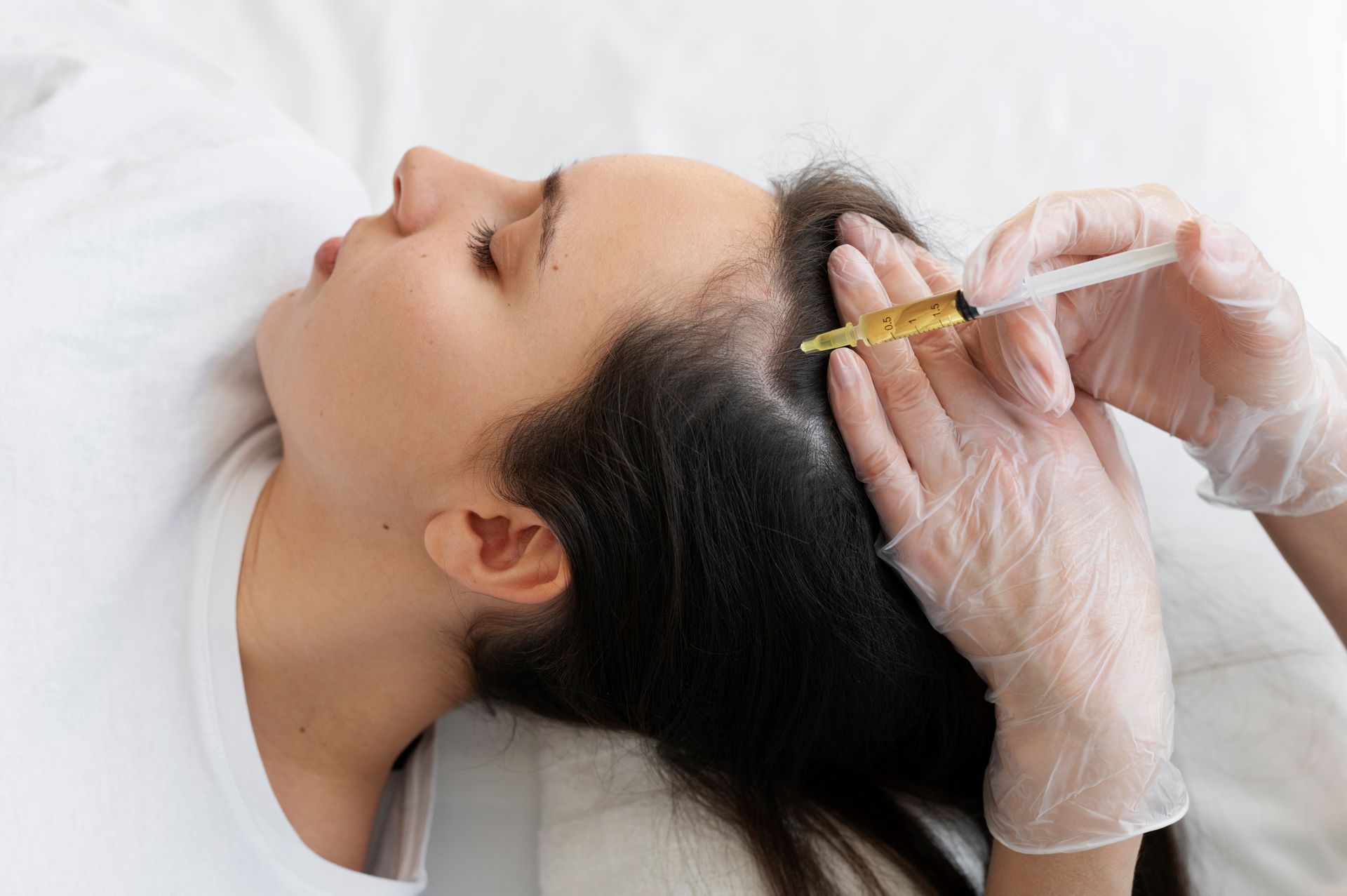
MSC-derived exosomes contain growth factors and other molecules that can promote hair follicle growth, leading to the regrowth of hair. These bioactive molecules directly stimulate follicular cells, reactivating dormant follicles and enhancing their proliferative capacity.
Stimulation of Angiogenesis
MSC-derived exosomes contain angiogenic growth factors and other molecules that can promote the growth of new blood vessels, which are essential for the nourishment of hair follicles. Improved vascularization ensures optimal oxygen and nutrient delivery to the scalp, creating a healthy environment for hair regrowth.
Regulation of the Hair Growth Cycle
MSC-derived exosomes can regulate the hair growth cycle, which can help to promote the growth of new hair and prevent hair loss. By modulating signaling pathways, exosomes prolong the anagen (growth) phase and delay the catagen (resting) phase of hair follicles.
Anti-inflammatory Effects
MSC-derived exosomes contain anti-inflammatory molecules that can help to reduce inflammation in the scalp, which can contribute to hair loss. Lowering inflammatory markers creates a more favorable environment for follicle function and prevents premature follicle miniaturization.
Protection of Hair Follicle Stem Cells
MSC-derived exosomes contain molecules that can protect hair follicle stem cells from damage, which can help to promote hair regrowth. By protecting the stem cell niche from oxidative stress and apoptosis, exosomes help maintain follicle regenerative capacity over time.
Overall, the mode of action of MSC-derived exosomes for hair loss likely involves a combination of these mechanisms, and may depend on factors such as the underlying cause of the hair loss, the age of the patient, and the route and frequency of exosome administration.